The Best Black Sand Beaches in Tenerife
Aktualisiert am 10. November 2026 · DoTenerife
Dieser Ratgeber ist noch nicht in Ihrer Sprache verfügbar und wird deshalb auf Englisch angezeigt.
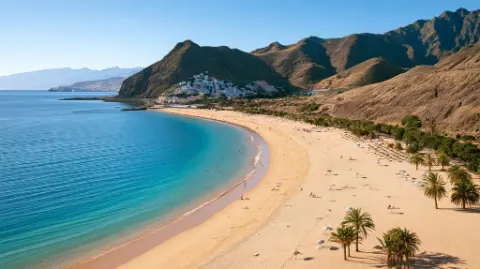
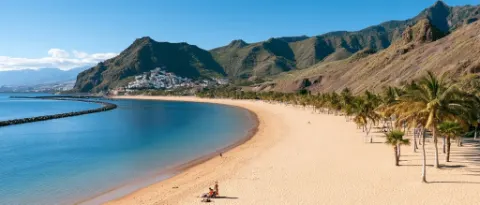
Most of Tenerife’s natural beaches are black or dark grey volcanic sand, made from eroded lava. The best-known are Playa Jardín in Puerto de la Cruz and Playa de la Arena in Puerto de Santiago, both with good facilities. For drama, head to Playa de Benijo and Roque de las Bodegas in the Anaga mountains, Playa del Bollullo below the banana plantations near Puerto de la Cruz, or Playa del Socorro in Los Realejos, a local surf beach. The golden sand you see at Las Teresitas and on beaches such as Playa del Duque and Las Vistas is mostly imported; Las Teresitas was famously filled with Saharan sand in the 1970s. Two key tips: black sand gets very hot, so wear sandals, and the north coast has strong currents, so always check the flags.
The best black sand beaches at a glance
| Beach | Where | Best for | Facilities |
|---|---|---|---|
| Playa Jardín | Puerto de la Cruz (north) | Gardens, space, sunsets | Good: sunbeds, showers, cafés, lifeguards in season |
| Playa de la Arena | Puerto de Santiago (west) | Calmer swimming, families | Good: Blue Flag beach, sunbeds, cafés |
| Playa del Socorro | Los Realejos (north) | Surfing, local feel | Basic |
| Playa del Bollullo | Between Puerto de la Cruz and La Orotava (north) | Wild cove below cliffs | Very basic; rough sea common |
| Playa de Benijo | Anaga (north-east) | Wild scenery, sea stacks, sunset | Very basic; strong currents |
| Roque de las Bodegas | Anaga (north-east) | Small village beach, fish restaurants nearby | Basic |
| Playa de las Gaviotas | Near Las Teresitas, Santa Cruz | Quiet cove under cliffs | Basic; steep road access |
| Playa de San Marcos | Icod de los Vinos (north-west) | Sheltered cove in a small bay | Basic to moderate |
Playa Jardín, Puerto de la Cruz
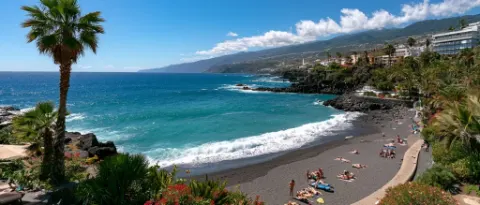
The north’s showpiece beach. Playa Jardín (“garden beach”) was redesigned following plans by César Manrique’s team, who brought in volcanic sand and wrapped the beach in gardens, palms and rock walkways. It’s long, dark and lovely at sunset, with Loro Parque a short walk away. The sea can be rough, so swim near lifeguards and follow the flags. Read our full Playa Jardín guide, and if the waves are up, swim at Lago Martiánez instead.
Playa de la Arena, Puerto de Santiago
On the sheltered west coast near Los Gigantes, Playa de la Arena is a Blue Flag beach of fine black sand. It’s usually calmer than the north coast, with sunbeds, cafés and a promenade, and good sunsets towards La Gomera. Waves can still pick up, so check the flag. See our Playa de la Arena guide and the Puerto de Santiago area page.
Playa del Socorro, Los Realejos
A wide, dark beach west of Puerto de la Cruz, popular with surfers and bodyboarders and with a small chapel above it. It feels local rather than touristy. Swimming is only for confident swimmers on calm days. See surfing in Tenerife and things to do in Los Realejos.
Playa del Bollullo
Tucked beneath cliffs and banana plantations east of Puerto de la Cruz, El Bollullo is reached by a lane and a footpath down from the plantations. Its dark sand and wild setting make it one of the most photographed beaches in the north. The sea is often rough, with strong currents, so treat it as a place to sunbathe and admire rather than a swimming beach unless conditions are clearly calm.
Benijo and Roque de las Bodegas, Anaga
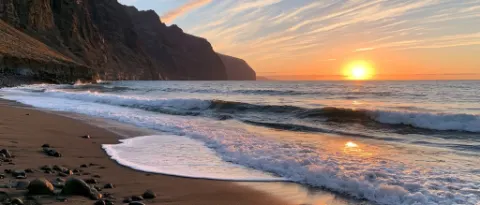
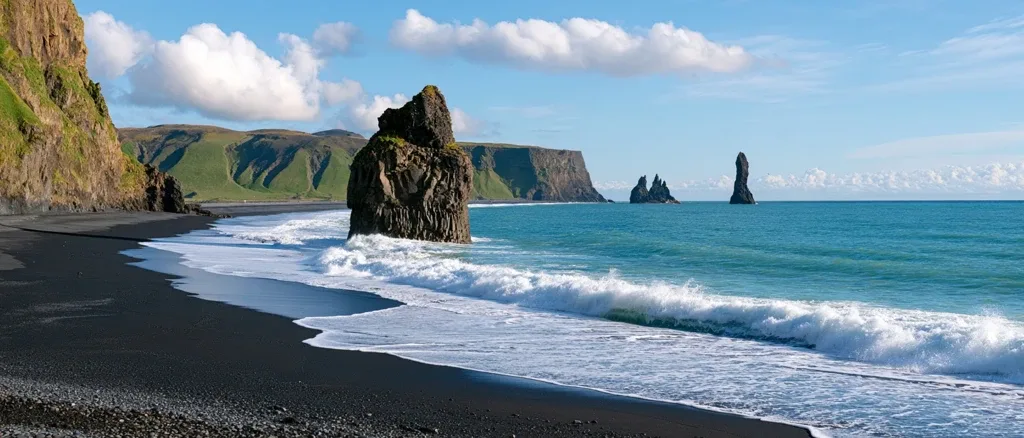
At the end of the road through the Anaga Rural Park, Playa de Benijo is a wild stretch of black sand with sea stacks offshore and green mountains behind. It’s a wonderful place for sunset but has strong currents and no lifeguard. Nearby Roque de las Bodegas and Almáciga are small hamlets with dark sand beaches and simple seafood restaurants. Combine them with a hike; see our Anaga guide.
Playa de las Gaviotas, Santa Cruz
Just past Las Teresitas, a winding road drops to this small dark-sand cove under steep cliffs. It’s quieter than its golden neighbour and has a relaxed, local feel, and it’s known as a beach where naturism is tolerated. See also our Playa de las Teresitas guide.
Why some Tenerife beaches are golden
Tenerife has very little natural pale sand. To meet demand from visitors, several beaches were built or topped up with imported golden sand. Las Teresitas received sand from the Sahara in the 1970s, and southern favourites such as Playa del Duque and Playa de las Vistas are golden for the same reason. If you want to see Tenerife’s natural coast, the black beaches are the real thing. For a full rundown of both types, see our Tenerife beaches guide.
Safety tips for black sand beaches
- Protect your feet. Dark sand can get hot enough to burn on sunny afternoons. Wear sandals until the water’s edge.
- Check the flags. Green means calm, yellow means take care, red means no swimming.
- Respect north coast currents. Beaches facing the open Atlantic can have rip currents even on sunny days.
- Swim where there are lifeguards when you can, especially with children.
- Watch for rockfall. Stay away from the base of cliffs, and respect any closure signs.
- Pack water and shade. Wild beaches like Benijo and Bollullo have few or no facilities.
- Rinse off. Fine black sand clings to everything, so a beach with showers is a bonus.
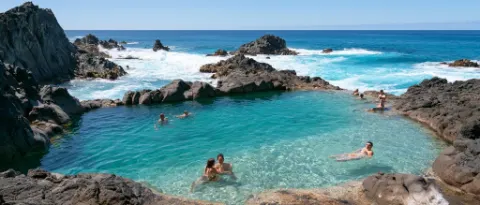
For calmer seawater swimming in the north, try the natural pools. For a lighter-sand beach in the south, see El Médano. Check the sea temperature before you go, and see what’s on this week for plans after the beach.
Information checked on 10 November 2026. Beach facilities, lifeguard cover, Blue Flag status and access can change, so check local signs and flags on the day.
Häufig gestellte Fragen
Does Tenerife have black sand beaches?
Yes. Most of Tenerife's natural beaches have dark volcanic sand, from fine black sand to grey pebbles. The golden beaches, such as Las Teresitas near Santa Cruz and several in the southern resorts, mostly use imported sand.
What is the best black sand beach in Tenerife?
For facilities and easy access, Playa Jardín in Puerto de la Cruz and Playa de la Arena in Puerto de Santiago are the best known. For wild scenery, Playa de Benijo in the Anaga mountains and Playa del Bollullo near Puerto de la Cruz are favourites, but the sea there is often rough.
Why is the sand black in Tenerife?
Tenerife is a volcanic island. Its natural sand is made of eroded basalt and other dark volcanic rock, broken down by the sea over thousands of years.
Is black sand hotter than golden sand?
Yes. Dark sand absorbs more heat and can get hot enough to burn bare feet on sunny afternoons, especially in summer. Wear sandals or beach shoes until you reach the water's edge.
Are black sand beaches in Tenerife safe for swimming?
Some are, on calm days. Many are on the exposed north coast, where waves and currents can be strong. Swim only where it is supervised when possible, check the flags and do not go in when the red flag is up.
Ähnliche Ratgeber