Camping in Tenerife: Official Areas, Permits and Rules
Aktualisiert am 10. November 2026 · DoTenerife
Dieser Ratgeber ist noch nicht in Ihrer Sprache verfügbar und wird deshalb auf Englisch angezeigt.
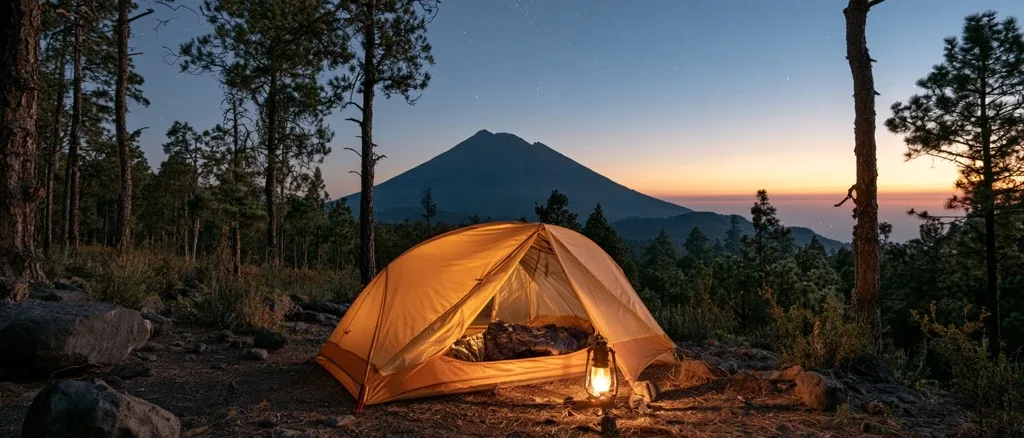
You can go camping in Tenerife, but only in official places. Wild camping is not allowed, including on beaches and in Teide National Park. The main option is the network of official camping areas (zonas de acampada) run by the Cabildo de Tenerife, the island council. They are in forests and natural parks, cost little or nothing, and need an advance permit booked online through the Cabildo’s official booking platform. There are also a few private campsites, mainly in the south. Nights in the forest can be cold, and fire bans apply in summer.
Camping in Tenerife at a glance
| Question | Short answer |
|---|---|
| Wild camping? | Not allowed anywhere on the island |
| Camping on beaches? | Prohibited |
| Official camping areas | Run by the Cabildo de Tenerife in forests and natural parks |
| Permit needed? | Yes, booked online in advance on the Cabildo’s official platform |
| Cost | Free or low cost; check the booking site |
| Private campsites | A small number, mainly in the south |
| Campervans | Overnight parking is restricted in many places; use designated areas |
| Best season | Spring and autumn; winter nights at altitude are cold |
Wild camping: why it’s banned
Tenerife has a lot of protected land. Around half the island is covered by some form of environmental protection, from Teide National Park to the Anaga and Teno rural parks. Wild camping is not permitted, and you can be fined.
That includes:
- Beaches, even quiet ones.
- Teide National Park, where camping is not allowed.
- Laybys, viewpoints and car parks, where setting up a tent counts as camping.
The rules protect fragile habitats, reduce fire risk and keep beaches and viewpoints usable for everyone.
The Cabildo’s official camping areas
The Cabildo de Tenerife manages a network of zonas de acampada. Many are attached to recreational areas (áreas recreativas) with picnic tables, barbecue spots, toilets and drinking water. Facilities vary from site to site, so check what each one has when you book.
Examples of camping areas
| Area | Where | Setting |
|---|---|---|
| Las Raíces | La Esperanza forest, north-east | Pine forest on the ridge above La Laguna and Santa Cruz |
| Arenas Negras | Above Garachico, north-west | Recreational area in the pine forest on the slopes below Teide |
| Chanajiga | Los Realejos, north | Forest area high above the Orotava Valley |
| La Caldera | La Orotava, north | Popular forest recreational area and walking base; check on the Cabildo site whether overnight camping is currently offered |
Other camping areas exist around the island. Which sites accept campers, and when, can change from season to season. Sites may close for maintenance, fire risk or bad weather. Use the Cabildo’s booking platform to see what’s available for your dates.
For nearby walking, see best walks and hikes in Tenerife. If you stay near Chanajiga, our things to do in Los Realejos guide has more ideas. La Caldera is close to La Orotava.
How to get a permit
You need a permit before you arrive. In general:
- Go to the Cabildo de Tenerife’s official booking platform for natural spaces (look for “acampada” or camping areas).
- Choose the camping area and dates.
- Enter the details of the person responsible and the group.
- Keep your confirmation, on your phone or printed, and show it if a warden asks.
There are usually limits on group size and number of nights, and popular areas book up at weekends, on public holidays and in summer. The details change, so read the conditions on the official site carefully. Only use the official Cabildo website; don’t pay a third party for a permit.
Private campsites
There are a small number of private campsites on the island, mainly in the south. They charge per night, and some offer facilities such as showers and electricity, plus space for campervans. Search for current options and recent reviews before you travel, and book ahead in winter, when the south is busiest.
Campervans and motorhomes
Campervan holidays are growing in popularity in Tenerife, but the rules are strict.
- Parking is not the same as camping. Parking legally is generally allowed, but putting out awnings, chairs, tables, levelling blocks or cooking outside is treated as camping.
- Overnight restrictions. Many municipalities restrict or ban overnight stays in vehicles in certain areas, particularly near beaches and in resorts. Look for signs and expect fines.
- Use designated areas. Stay at private campsites or official motorhome areas where available.
- Ask your rental company. Campervan hire firms usually know the current local rules and the best places to stay.
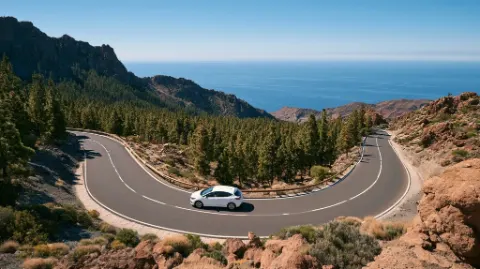
See car hire and driving in Tenerife for road tips. Mountain roads are steep and winding, so take it slowly in a larger vehicle.
What to expect: weather and altitude
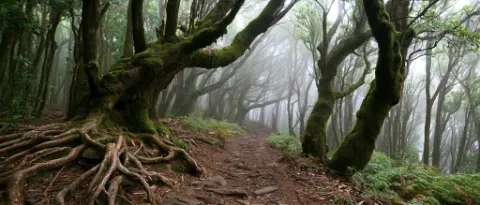
Most camping areas are in the forest, high above the coast. That changes everything:
- Cold nights. Temperatures can drop sharply after dark, especially from November to March. Bring a warm sleeping bag, a mat and layers, even if it’s 25°C at the beach.
- Cloud and damp. The north-facing forests often sit in the cloud belt. Expect mist and dew, and pack waterproofs.
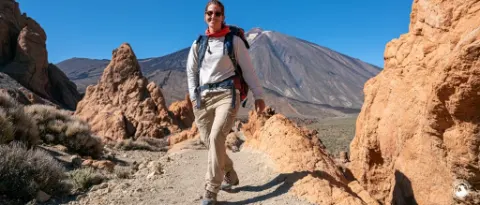
- Sun by day. At altitude the sun is strong when the cloud clears. Use sun cream and a hat.
Check the forecast before you go. Our weather by month guide gives a general picture.
Fire safety
Forest fires are a real risk in Tenerife. In summer and during heatwaves, the Cabildo usually bans fires and barbecues in natural areas, and some camping areas may close.
- Only light a fire or barbecue where it is expressly allowed, and never when a ban is in force.
- Never throw away cigarette ends.
- Carry a camping stove only where permitted, and check the rules.
- In an emergency, call 112. See Tenerife emergency numbers.
Leave no trace
- Take all rubbish home with you, including food scraps.
- Use the toilets provided.
- Stay on marked paths and don’t damage trees or plants.
- Keep noise down, especially at night.
- Keep dogs on a lead and under control. See our dog-friendly Tenerife guide.
Make the most of it
Camping in the forest puts you close to some of the island’s best experiences:
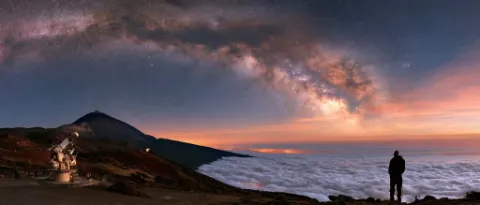
- Stargazing: high, dark sites can give superb night skies. See stargazing in Tenerife.
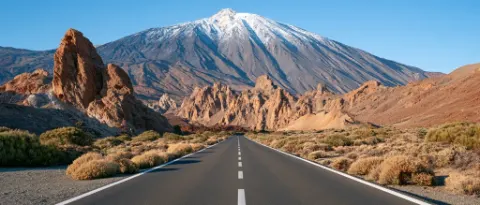
- Teide: drive up early for sunrise. See our guide to the Teide National Park drive and viewpoints and our Mount Teide guide.
- Anaga: for laurel forest and wild coast, see Anaga Rural Park.
Information checked on 10 November 2026. Permit rules, booking systems and which camping areas are open change regularly, so always check and book on the Cabildo de Tenerife’s official website before you go.
Häufig gestellte Fragen
Is wild camping allowed in Tenerife?
No. Wild camping is not permitted in Tenerife, and that includes beaches and Teide National Park. You can camp only in official camping areas and private campsites.
Where can I camp in Tenerife?
The Cabildo de Tenerife (island council) runs official camping areas, called zonas de acampada, in forests and natural parks, mostly in the north and centre of the island. Examples include Las Raíces in the La Esperanza forest, Arenas Negras above Garachico and Chanajiga in Los Realejos. There are also a few private campsites.
Do I need a permit to camp in Tenerife?
Yes, for the Cabildo's camping areas you need an advance permit booked online through the Cabildo's official booking platform. Places are limited and rules on group size, length of stay and opening can change, so always check the official site.
Is it cold camping in Tenerife?
It can be. Many camping areas are in the forest at altitude, where nights are much colder than on the coast, especially in winter. Bring a warm sleeping bag and layers.
Can I sleep in a campervan in Tenerife?
Rules are strict. Many municipalities restrict overnight parking for campervans and motorhomes, and setting up awnings, chairs or tables on the street counts as camping. Use official campsites or designated motorhome areas.
Ähnliche Ratgeber