Cycling in Tenerife: The Big Climbs, Bike Hire and Riding Tips
Updated 10 November 2026 · DoTenerife
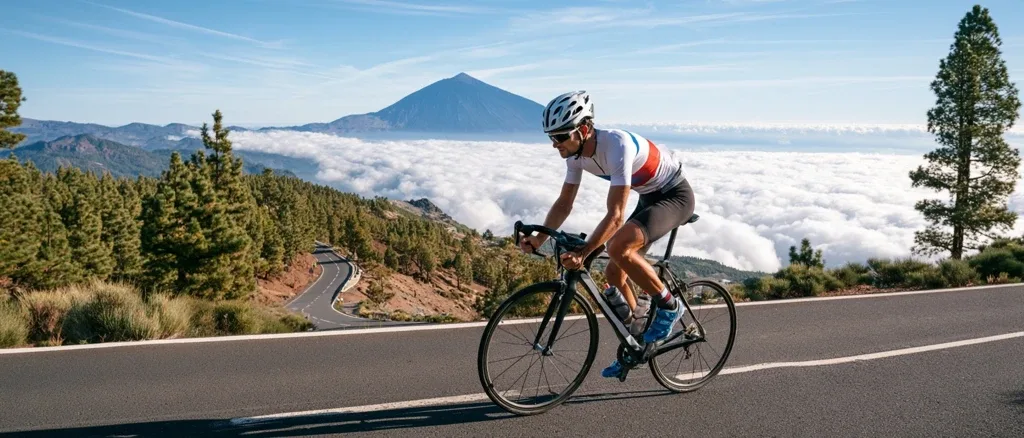
Tenerife is one of Europe’s best places for road cycling if you like climbing. It’s a famous winter training base for professional teams, who often stay at altitude at the Parador in Teide National Park and ride the long climbs up from the coast. The classic routes are the climb to Teide (well over 2,000 m of ascent from sea level), the Vilaflor road from the south, the TF-21 from La Orotava, the Masca climb and the La Esperanza ridge. Bike hire is easy in Costa Adeje, Playa de las Américas and El Médano, with road bikes, mountain bikes and e-bikes. The best months are autumn to spring. Spanish law requires a helmet outside built-up areas, and drivers must leave 1.5 m when overtaking you.
Why cyclists come to Tenerife
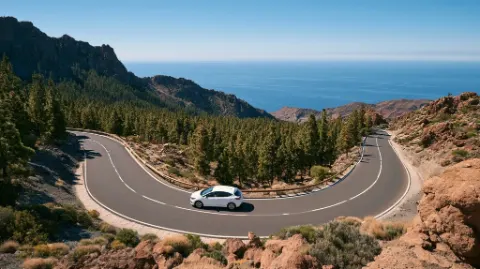
Few places in Europe let you climb this far in one go. From the beaches of the south you can ride almost continuously uphill into a volcanic caldera above 2,000 m, then descend for what feels like forever. The winter climate is mild, the roads are mostly well surfaced, and the scenery changes from coast to banana plantations, pine forest and lava fields in a single ride.
The flip side is that Tenerife isn’t flat. There are few easy loops, and almost every ride involves serious climbing, often in wind. It suits fit road cyclists, e-bike riders and mountain bikers more than casual leisure riders.
The classic climbs
| Climb | Start | What to expect |
|---|---|---|
| Teide via Vilaflor (TF-21 south) | Los Cristianos, Arona or Granadilla | The signature ride: a long, steady climb through Vilaflor (around 1,400 m) and pine forest into the caldera |
| Teide via La Orotava (TF-21 north) | Puerto de la Cruz or La Orotava | Long climb from the north coast; often cloudier and cooler low down |
| La Esperanza ridge (TF-24) | La Laguna | Climbs along the island’s spine to El Portillo, with views of both coasts and the sea of clouds |
| Chío to Boca de Tauce (TF-38) | Guía de Isora / west coast | Quieter route into the park past lava fields |
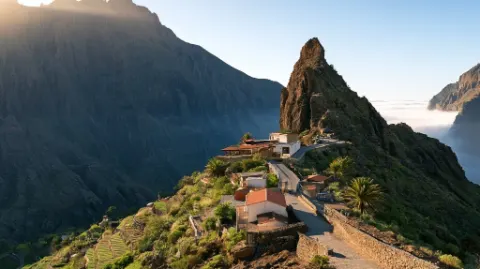
| Masca | Santiago del Teide or Buenavista del Norte | Short, steep and twisting with dramatic views; very narrow, with coaches and cars |
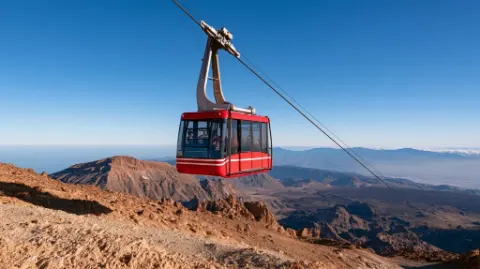
Riding from the coast to the caldera and back is a full day for most people. If you want a summit-style finish, the park’s high point by road is around the cable car base; see our Teide National Park drive guide for the layout of the roads and viewpoints.
Road, mountain bike or e-bike?
Road bikes are the main event. Most hire shops offer good carbon bikes with compact gearing; ask for the easiest gears they have.
Mountain bikes come into their own in the Anaga mountains in the north-east, on forest tracks in the Corona Forestal around Teide, and on trails above La Esperanza. Some areas are protected, so stick to permitted tracks. See our Anaga Rural Park guide.
E-bikes make the island far more accessible. They’re popular for half-day rides in the hills above the resorts and guided tours towards Vilaflor or along the coast. Check battery range before a long climb.
Bike hire and guided rides
Bike shops in the south, especially around Costa Adeje and Playa de las Américas, and in El Médano offer:
- Daily and weekly hire of road bikes, mountain bikes and e-bikes, typically with helmets, pedals and repair kits available.
- Hotel delivery and collection in the main resorts.
- Guided rides and support vehicles for the big climbs, which take the stress out of navigation and give you a lift if you’ve had enough.
- Bike boxes and servicing if you bring your own.
Prices vary a lot by bike quality and season. Expect to pay more for a high-end carbon road bike in January and February, when the island is busiest with cyclists. Book ahead and check what’s included. If you’re staying in El Médano, our El Médano beach guide covers the town.
Best time to ride
| Season | Conditions |
|---|---|
| October to December | Warm on the coast, generally good at altitude; occasional wet days in the north |
| January to March | Peak training season; cold at the top, with ice or snow possible and occasional road closures |
| April to May | Excellent all round; longer days |
| June to September | Hot on the southern climbs; start at dawn and carry plenty of water |
See our weather by month guide and the weather in February for typical temperatures.
Safety and road rules
- Helmets are compulsory outside built-up areas in Spain, and strongly advised everywhere.
- Drivers must leave at least 1.5 m when overtaking cyclists. Not all do, so ride predictably.
- Avoid the TF-1 and TF-5 motorways. Use the old roads and local routes instead.
- Tunnels and narrow roads: use front and rear lights, especially on routes such as Masca and around the west coast.
- Wind can be strong, especially around El Médano and the south-east, and at exposed points on the ridge. Gusts on descents can be dangerous.
- Altitude and cold: carry a gilet, arm warmers and a windproof jacket for the descent from Teide, even on a hot day. It can be well over 10 degrees colder at the top.
- Water and food: there are long stretches with no shops, including the whole of the national park apart from a few cafés. Fill bottles in Vilaflor or La Esperanza.
- Sun: UV is strong at altitude. Use high-factor sun cream.
- Emergencies: the number is 112. Keep our emergency numbers guide handy, and make sure your travel insurance covers cycling.
Rest days and other ideas
Climbing legs need rest days. Spend one on the beach, walking a gentler trail from our best walks and hikes, or exploring Masca by car. Night owls can check what’s on tonight. Keen to see the island’s organised rides and races? See Tenerife sports events 2027.
Information checked on 10 November 2026. Road rules, closures and hire terms change, so check current conditions with the Cabildo de Tenerife and your hire shop before you ride.
Frequently asked questions
Is Tenerife good for cycling?
Yes, especially for climbing. Tenerife is a well-known winter training base for professional teams because you can ride from sea level to over 2,000 metres in one go, in mild weather, through Teide National Park. It suits experienced road cyclists best; flat routes are limited.
What is the hardest climb in Tenerife?
The big one is riding from the coast to Teide National Park, which involves well over 2,000 metres of climbing depending on your start point. The Vilaflor route from the south and the TF-21 from La Orotava in the north are the classic ways up. The short, steep Masca climb is tough too.
Can I hire a bike in Tenerife?
Yes. There are bike hire shops in the southern resorts, especially around Costa Adeje and Playa de las Américas, and in El Médano. Most offer carbon road bikes, mountain bikes and e-bikes by the day or week, often with delivery to your hotel and guided rides. Book ahead in the busy winter season.
Do you have to wear a helmet cycling in Spain?
Helmets are compulsory on roads outside built-up areas in Spain, which covers most of the riding in Tenerife. Wearing one in towns is strongly recommended too.
When is the best time to cycle in Tenerife?
Autumn to spring, roughly October to May, is the main season. It is warm on the coast and usually clear at altitude, though it can be cold and occasionally snowy up at Teide in winter. Summer is possible but hot on the climbs, so start very early.
Related guides