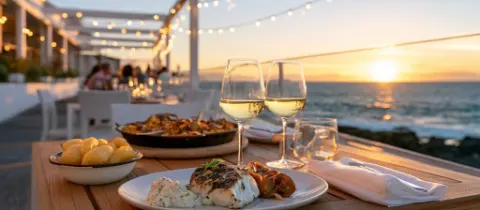
Where to Eat Fresh Fish and Seafood in Tenerife
Updated 10 November 2026 · DoTenerife
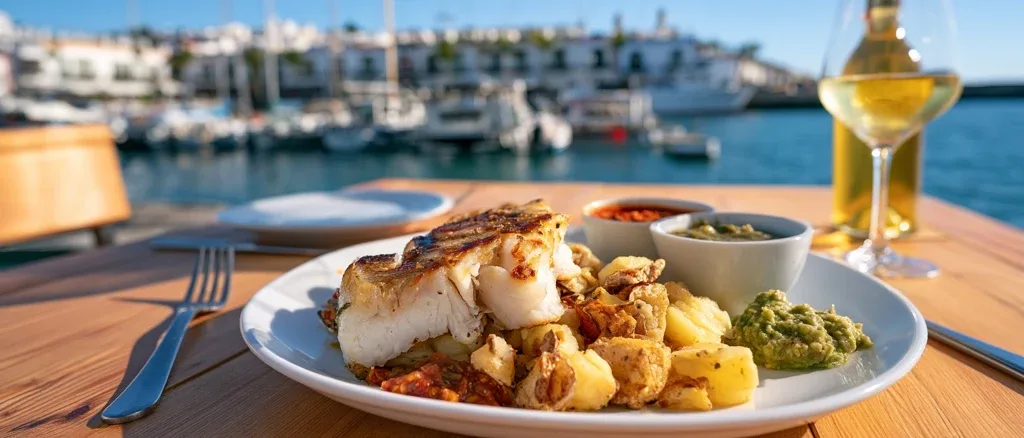
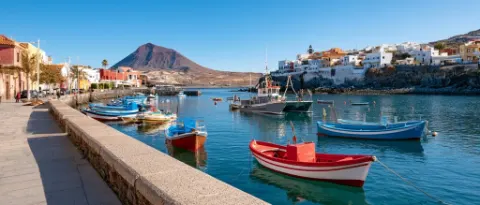
The best fish and seafood in Tenerife is found in its small fishing villages and harbours, not on the main resort strips. In the south, head to La Caleta (Costa Adeje), Los Abrigos (near Tenerife South airport), El Puertito de Adeje, Las Galletas and Tajao. In the north, try San Andrés near Santa Cruz, the old fishermen’s quarter of Puerto de la Cruz, and Bajamar and Punta del Hidalgo. Order local fish such as vieja, cherne or sama, grilled, with papas arrugadas and mojo. Remember that fresh fish is often priced per kilo, so check the weight before it is cooked.
The best fishing villages for seafood
Each of these places has a cluster of fish restaurants near the water. They range from simple family places with plastic tablecloths to smarter terraces. We don’t recommend individual restaurants here because owners and chefs change. Walk along the seafront, look at what is on display, and pick the place that is busy with Spanish speakers.
| Village or harbour | Where | Why go |
|---|---|---|
| La Caleta | Costa Adeje, south-west | Old fishing village a short walk from the resort, with seafront terraces and sunset views |
| El Puertito de Adeje | Just north of La Caleta | Tiny cove and harbour, known for turtles and a relaxed, low-key feel |
| Los Abrigos | Granadilla, near the south airport | A whole harbour lined with fish restaurants; handy before or after a flight |
| Las Galletas | Arona, south | Working fishing port with a promenade and a local, unhurried feel |
| Tajao | Arico, south-east | Small village that locals drive to specially for fish, especially at weekends |
| Alcalá | Guía de Isora, west | Quiet harbour village between Playa San Juan and Los Gigantes |
| Los Gigantes / Puerto de Santiago | Santiago del Teide, west | Marina and seafront dining beneath the cliffs, with sunsets over La Gomera |
| San Andrés | Santa Cruz, north-east | Village next to Playa de las Teresitas, long known for its fish restaurants |
| Puerto de la Cruz | North coast | Old fishermen’s quarter of La Ranilla and the streets around Plaza del Charco |
| Bajamar and Punta del Hidalgo | La Laguna, north-east | Wild Atlantic coast, natural pools and simple seafood spots |
South and west
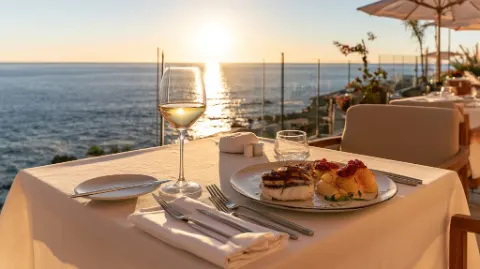
La Caleta is the easiest choice if you are staying in Costa Adeje. It’s within walking distance of Playa del Duque along the coastal path, and the terraces face west, so it’s a natural spot for a sunset dinner. Read more in things to do in Costa Adeje or the La Caleta area page.
Los Abrigos is a favourite with residents. The restaurants sit around a small harbour, many with tables right on the water. It’s about 10 minutes from Tenerife South airport, so it works well on your first or last day.
Las Galletas has a real fishing port and a long promenade. It’s quieter than the big resorts and pairs well with a walk round neighbouring Costa del Silencio. See our guide to Costa del Silencio and Las Galletas.
Tajao is a small village on the south-east coast, off the TF-1 motorway. It has little else to do, which is part of the appeal: people come here simply to eat fish.
On the west coast, Alcalá and Los Gigantes / Puerto de Santiago are good for a long lunch after a boat trip. See things to do in Los Gigantes.
North and north-east
San Andrés is a village just before Playa de las Teresitas, about 10 minutes from central Santa Cruz. A beach morning followed by fish lunch in San Andrés is a classic local weekend.
In Puerto de la Cruz, the old fishermen’s quarter of La Ranilla and the streets around Plaza del Charco have plenty of places serving fish. The little harbour beside the square still has fishing boats. See things to do in Puerto de la Cruz.
Bajamar and Punta del Hidalgo, below La Laguna, sit on a rugged stretch of coast with natural pools. They make a good stop on the way back from Anaga.
What to order
Local fish
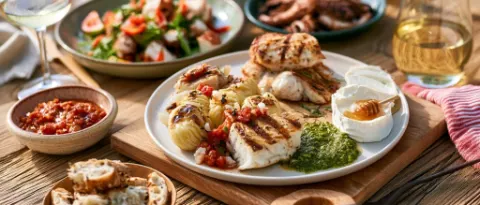
- Vieja – parrotfish. Mild, soft white flesh. Often called the most typical Canarian fish.
- Cherne – wreckfish. Firm and meaty. Often used in sancocho, a salted fish and potato dish.
- Sama – a type of sea bream with firm, tasty flesh.
- Abadejo – in the Canaries this name is used for a local grouper. Firm white fish.
- Dorada – gilthead bream. Widely available and reliable.
Fish is usually served simply: grilled (a la plancha) or fried, with garlic, olive oil and lemon. Ask for pescado del día (fish of the day) to see what came in that morning.
Seafood
- Lapas – limpets grilled in their shells and topped with green mojo. A must-try.
- Pulpo – octopus, often grilled or served a la gallega with paprika and olive oil.
- Chocos – cuttlefish, grilled or in strips.
- Calamares – squid, fried or grilled.
- Gambas – prawns, often al ajillo (sizzling in garlic and oil).
On the side
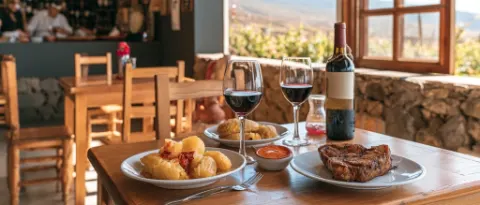
Almost every fish plate comes with papas arrugadas, small wrinkly potatoes boiled in salty water. They are served with mojo rojo (red, with paprika and chilli) and mojo verde (green, with coriander or parsley). Add a mixed salad and some local white wine. For more dishes, see Canarian food: what to eat.
How fish pricing works
In many harbour restaurants, the fresh fish of the day is sold by weight. The menu shows a price per kilo, not per portion. That catches some visitors out.
- Ask to see the fish. Many places will show you the display or bring it to the table.
- Ask what it weighs (¿cuánto pesa?) and roughly what it will cost.
- Agree before it is cooked. A large whole fish shared between two can cost much more than a fixed-price plate.
Fixed-price dishes, such as a portion of squid or a grilled fillet, are simpler if you are on a budget. Prices vary a lot between a simple village place and a smart terrace, so check the menu outside first. For a general idea of costs, see Tenerife prices.
Practical tips
- Lunch is the main event. Spaniards eat their big meal from about 1.30pm. That’s when the harbour restaurants are busiest and most lively.
- Book at weekends. Sunday lunch in Los Abrigos, Tajao or San Andrés is a family tradition, and tables fill up.
- Time it for sunset. On the west coast (La Caleta, Los Gigantes, Alcalá), ask for a terrace table and arrive about an hour before sunset.
- Some places close one day a week. Many family restaurants take a day off, often Monday or Tuesday. Check before driving out.
- Getting there. Most villages are easy by car. If you want wine with lunch, take a taxi or the bus.
- Tipping. Not expected, but rounding up or leaving 5 to 10% for good service is appreciated. See money, cards and tipping.
More places to eat
If you want grilled meat and house wine instead, try a guachinche in the north. For a wider choice, see our best restaurants in Tenerife and best places to eat. Vegetarians can find ideas in our vegan and vegetarian guide.
Information checked on 10 November 2026. Restaurants open, close and change hands, and fish prices vary with the catch and season, so check menus and prices on the day.
Frequently asked questions
Where is the best place to eat fresh fish in Tenerife?
The island's small fishing harbours are the best bet. In the south, La Caleta in Costa Adeje, Los Abrigos near the south airport, Las Galletas and Tajao are well known for fish restaurants. In the north, try San Andrés near Santa Cruz, Puerto de la Cruz's old fishermen's quarter and Bajamar or Punta del Hidalgo.
What fish should I try in Tenerife?
Look out for local fish such as vieja (parrotfish), cherne (wreckfish), sama, abadejo and dorada, usually grilled and served with papas arrugadas and mojo. Grilled lapas (limpets) with green mojo, octopus, cuttlefish (chocos) and squid are popular starters.
Why is fish priced per kilo on Tenerife menus?
Whole fresh fish of the day is often sold by weight, so the menu shows a price per kilo rather than per plate. The waiter usually brings the fish to show you or weighs it in front of you. Ask what it weighs and roughly what it will cost before it goes on the grill.
Do I need to book a fish restaurant in Tenerife?
It is a good idea at weekends, especially for Sunday lunch, when local families fill the harbour restaurants, and for sunset tables on the west coast. Midweek you can often walk in.
When do locals eat fish in Tenerife?
Lunch is the main meal in Spain, usually from about 1.30pm to 4pm, and that is when harbour restaurants are busiest and the catch is freshest. Dinner tends to start later than in the UK, often from 8pm.
Related guides